
Victoria Police works to keep you and your community safe, 24 hours a day, seven days a week.
Report a crime or incident

In an emergency
Call Triple Zero (000) for police, fire brigade, ambulance.

Non-urgent reports
Report a non-urgent crime online or call 131 444, 24/7.

Anonymous reports
Make an anonymous crime report to Crime Stoppers.

Find a police station
Get contact details for any Victorian police station.
More about different crimes and how to report them.
Explore our website
Community updates

Take a second. Stay secure.
October is Cyber Security Action Month, so take a moment to strengthen your online security.

Spring and holiday safety
Seasonal safety tips as you set off on road trips, head back to the beach, or relax in the sunshine.

Motorcyclist Awareness Month
Let's share the road, keep everyone safe, and look out for each other this October.
Popular topics
Creating safer communities

Put yourself forward
A role as a police officer offers real balance, 9 weeks of annual leave, and the chance to make a real difference.

24/7 non-urgent reporting
Report non-urgent crimes, incidents, or events online anytime, or call our Police Assistance Line on 131 444.

Text STOPIT to 0499 455 455
Help us prevent, investigate, and catch offenders of unwanted sexual or anti-social behaviours on public transport.
New pathway now open

Career Starter Pathway
Until 25 October 2026, 17 and 18-year-old future applicants can get a head start on their policing career, with clear steps, one-on-one support, and advice - all before they apply.
Crime prevention and safety
Unreasonable noise from neighbours
Crime prevention tips for dealing with a noisy neighbour, and who to contact if the noise becomes unreasonable.
Road safety
Advice to stay safe on the road, Victoria’s provisional lives lost count, and how Victoria Police works to keep our roads safe.
Sexual offences, sexual assaults and sex crimes
The definition of sexual offences and the types of sexual behaviours and acts that we investigate.
Motor vehicle theft
Crime prevention tips on how to protect your car from theft, and what to do if your car is stolen.
Number plate theft
Advice on preventing number plate theft, what to do if plates are stolen or used illegally, and how to report stolen number plates.
Family violence safety notices and intervention orders
Learn about family violence safety notices and intervention orders, and when they apply.
Check and report a stolen vehicle
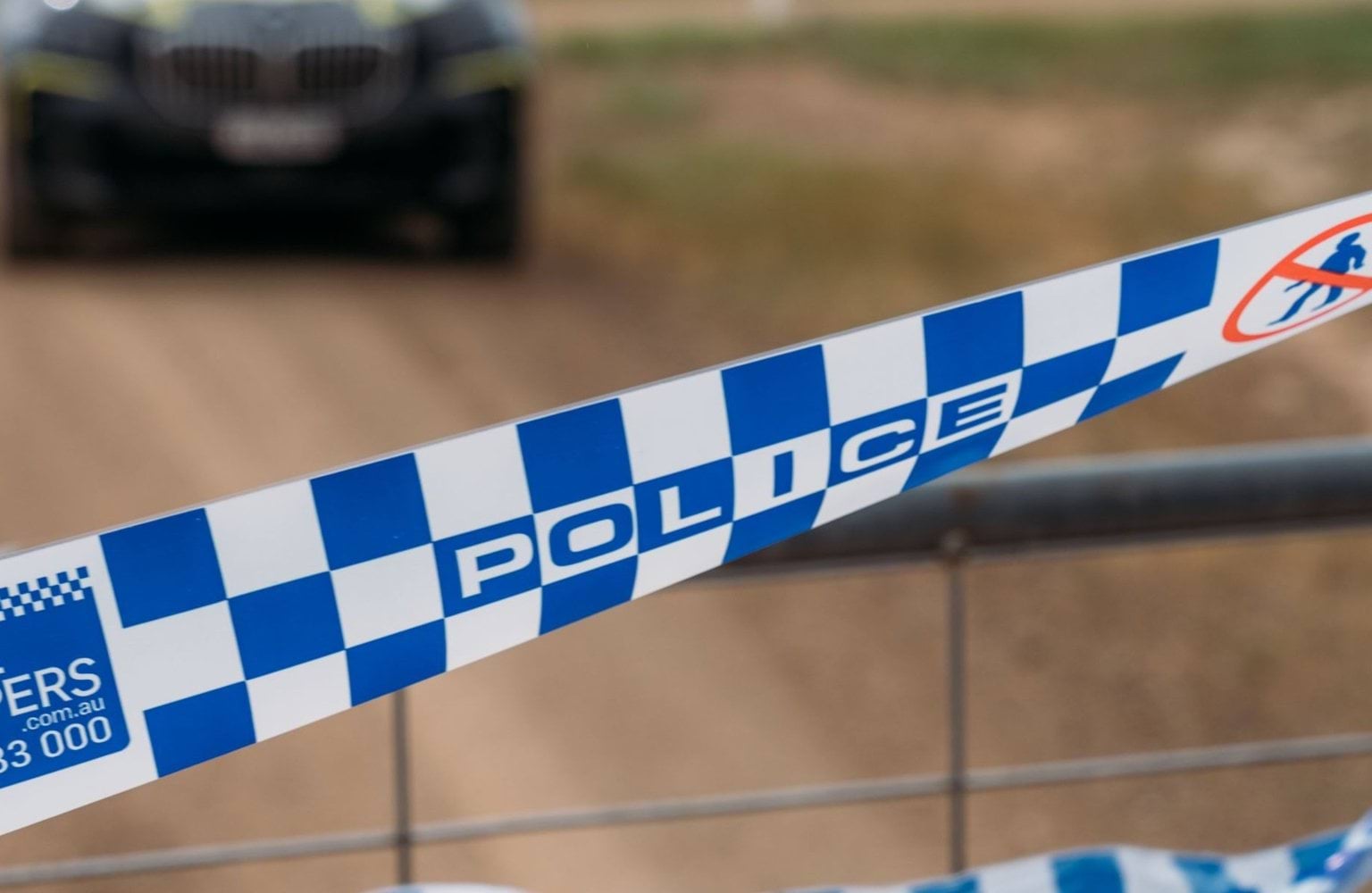
Vehicle theft and stolen vehicles
Information to help you check if a vehicle is stolen, report stolen vehicles in Victoria, and prevent vehicle theft.
The latest news from Victoria Police
Breaking news
Discover the latest updates, news, and official media releases direct from Victoria Police.
Current road toll figures
Current road fatality statistics and how to stay safe as a driver, passenger, motorcyclist, cyclist or pedestrian.
Public notices
Past and upcoming Victoria Police declarations under the various statutes, and the relevant dates and locations.

Police Life: Our people, our stories
Get a glimpse into Victoria Police and the important work we do every day.
Updated