Our second Gender Equality Progress Report is now available. This report covers the two years from 1 July 2023 to 30 June 2025.
Our progress is measured for:
- gender impact assessments
- strategies and measures
- workplace gender equality indicators.
Overview of our progress
Our organisation has made stable progress against all seven workplace Gender Equality Indicators:
- gender composition at all levels of the workforce
- gender composition of the governing body
- gender pay equity
- workplace sexual harassment
- recruitment and promotion
- leave and flexibility
- gendered work segregation.
Gender composition at all levels of the organisation
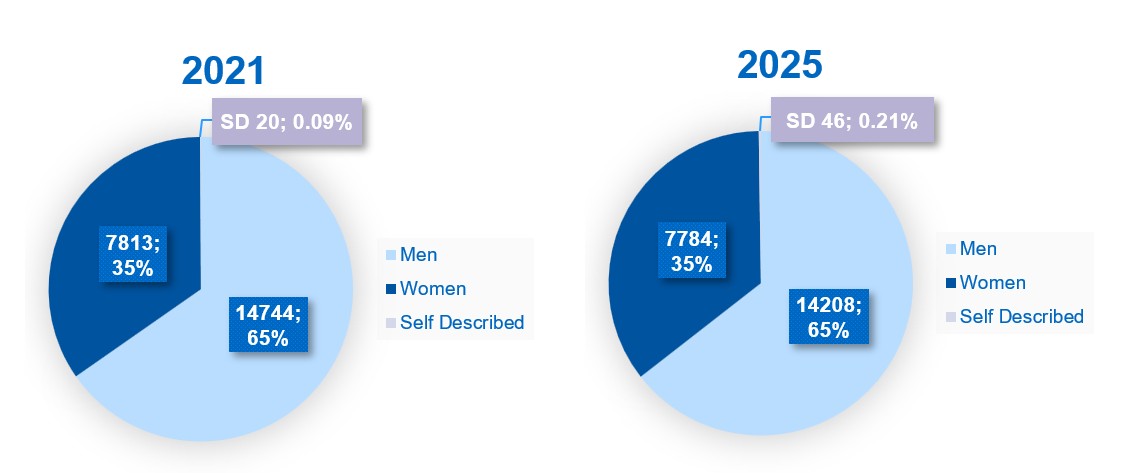
Gender composition of the Victoria Police workforce has remained stable between 2021, 2023 and 2025, with women comprising 35% of all employees.
This includes better representation of women in leadership roles.
Gender composition at all levels of the workforce, 2021 vs 2025
Gender composition of Governing Body
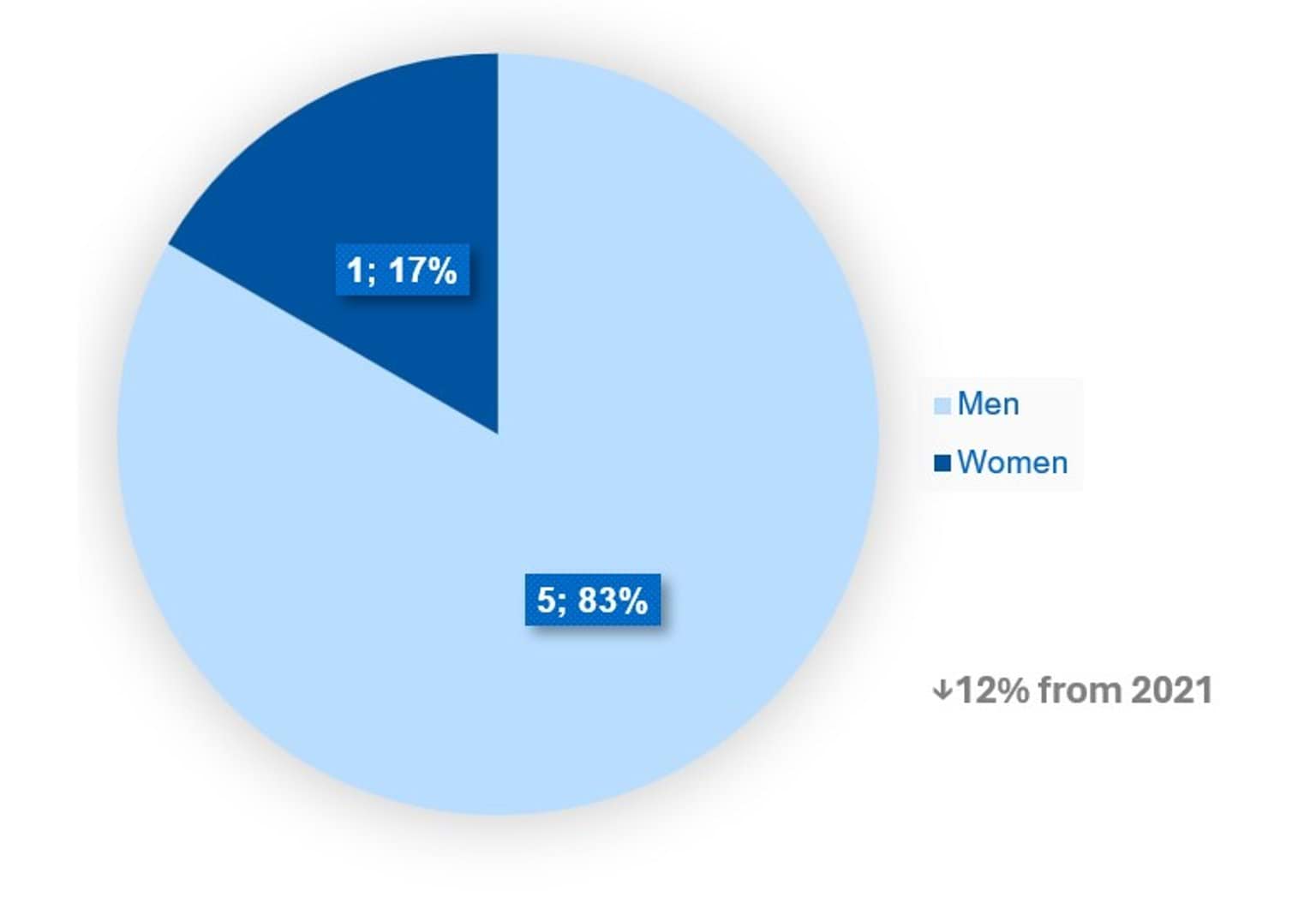
‘Governing Body’ is defined at Victoria Police as Executive Command (Chief Commissioner, Deputy Commissioners, Deputy Secretaries).
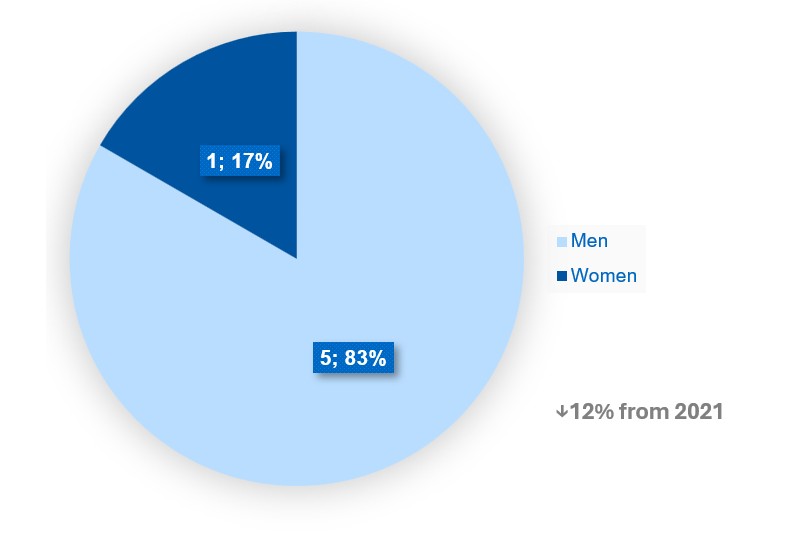
The percentage of women at Executive Leadership level in 2025 is 17%.
Victoria Police continue to strengthen the capability pipeline for executive positions.
Governing Body gender composition 2025
Gender pay equity
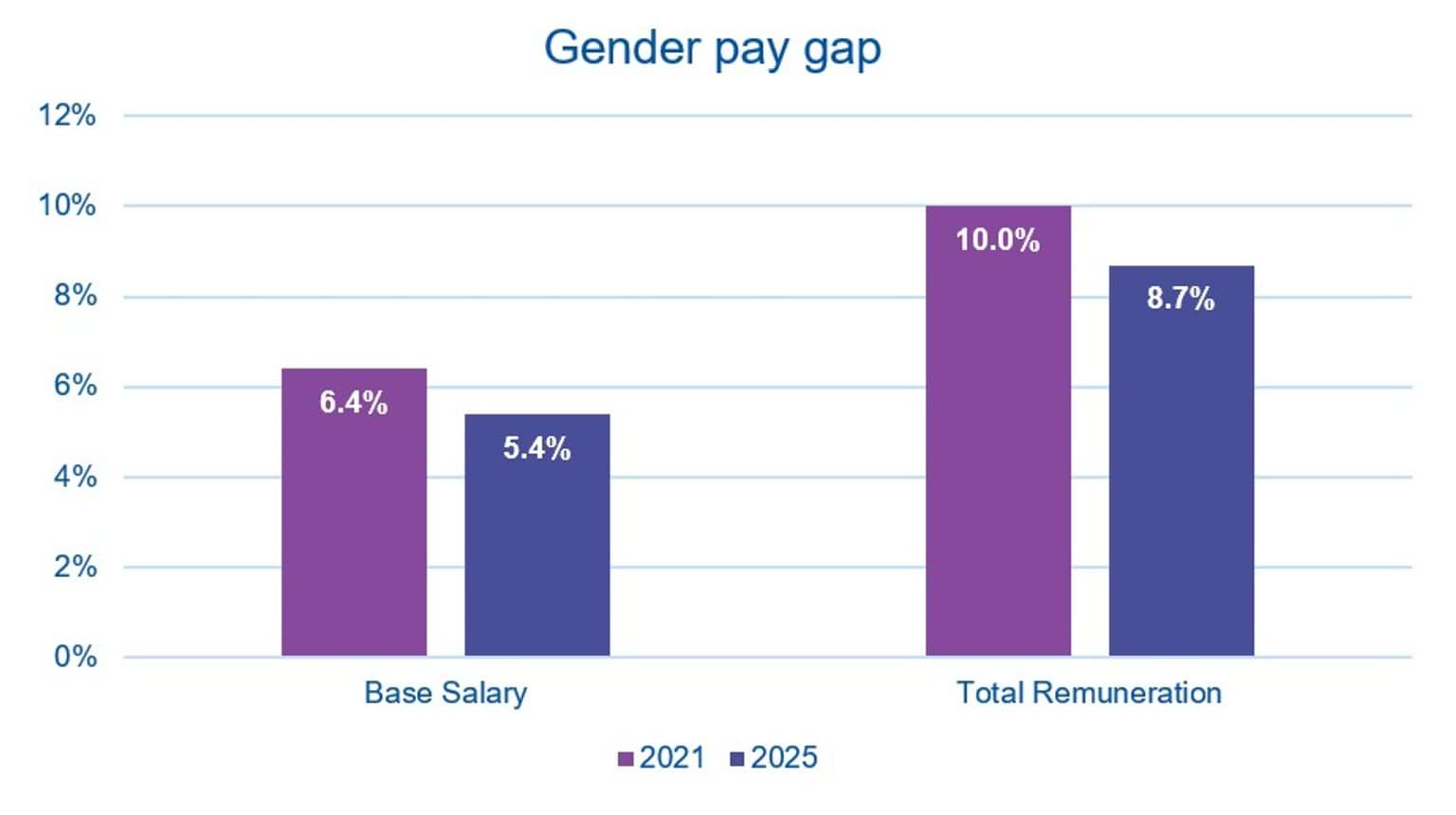
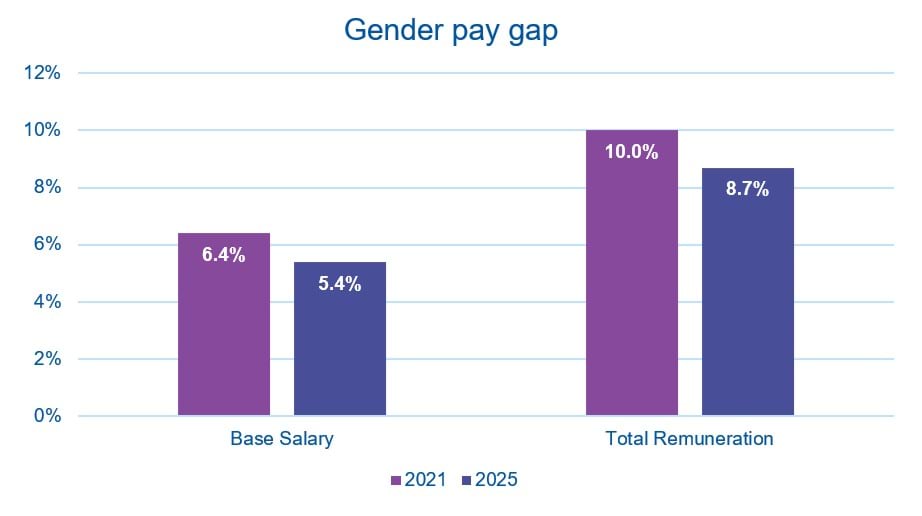
The remuneration pay gap is reported as the average full year earnings of female employees expressed as a percentage of male employees.
The total remuneration pay gap fell from 10% in 2021 to 8.7% in 2025.
Total remuneration pay gap, 2021 vs 2025
Workplace sexual harassment
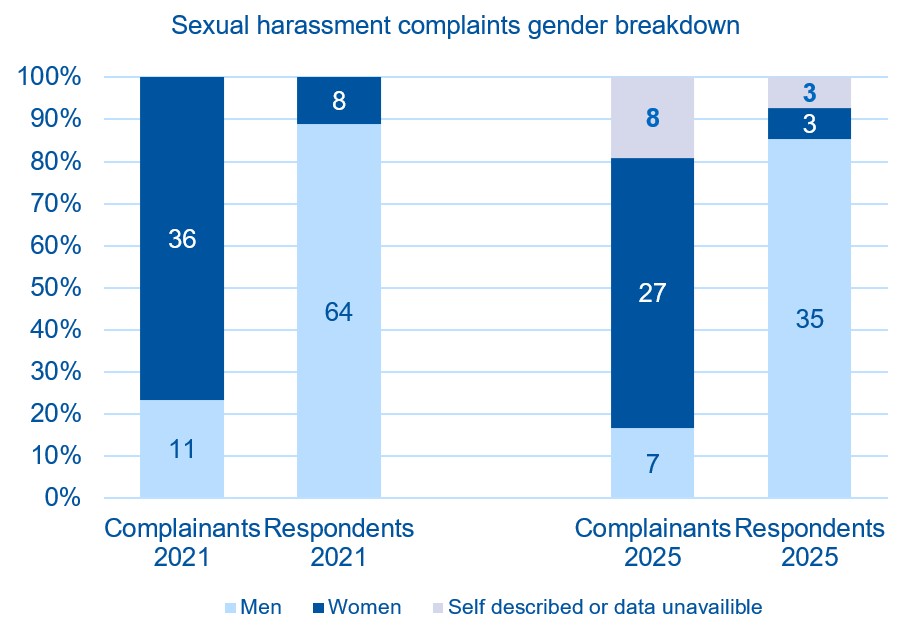
Reports of sexual harassment in the organisation have remained steady at 37 in 2023 and 2025.
Sexual harassment complaints gender breakdown, 2021 vs 2025
Recruitment and promotion
We recognise this area requires sustained attention for the medium to long term.
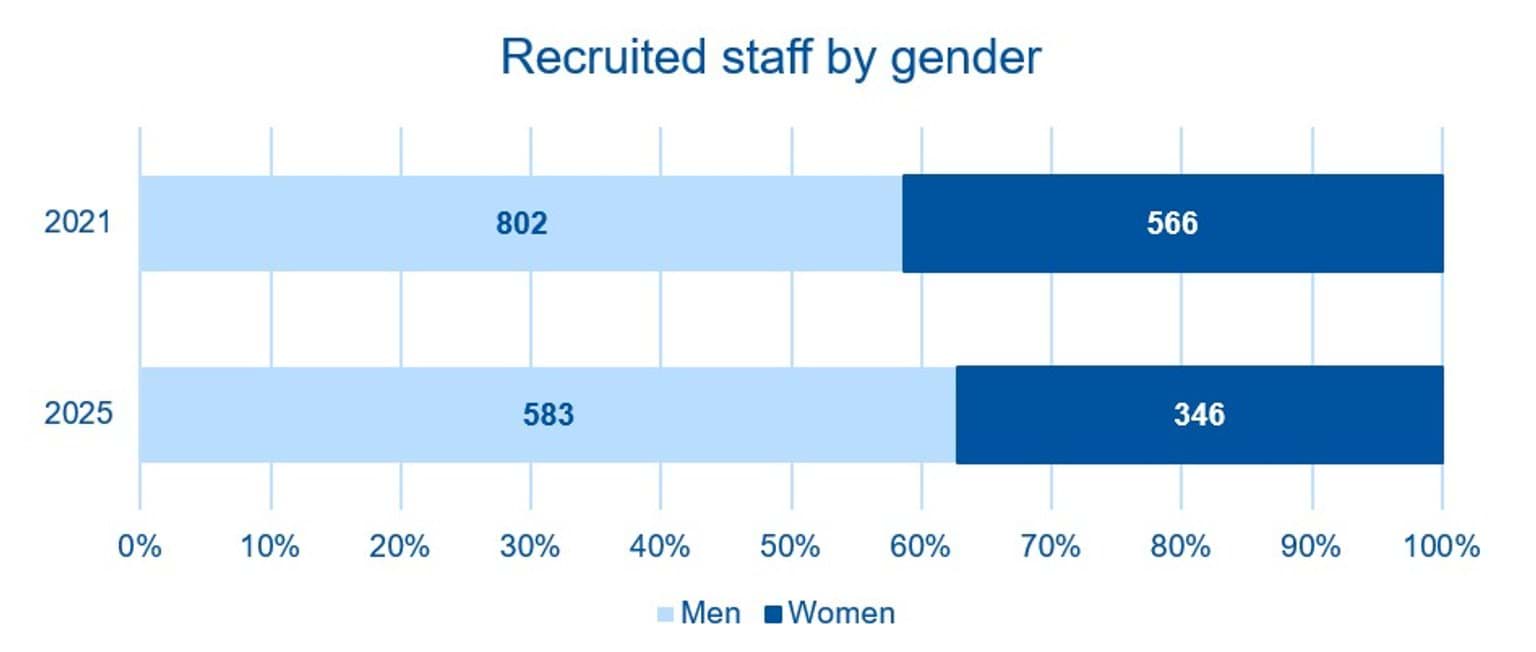
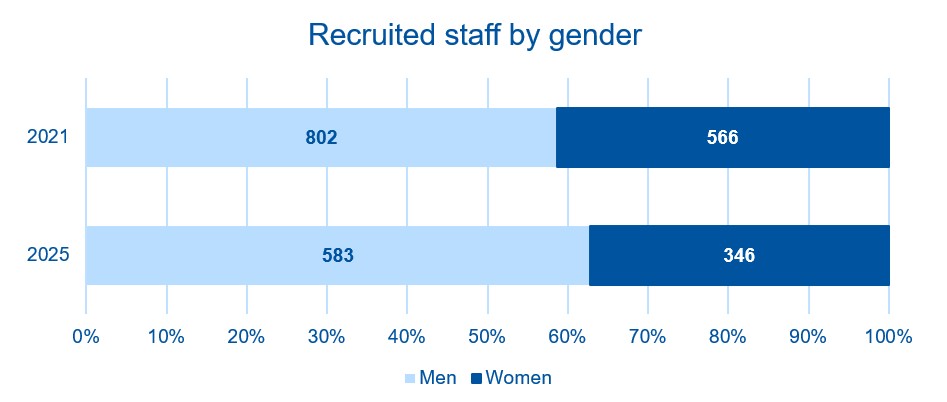
There was a 12% decline in the number of total recruited employees being women in 2025, though the recruitment ratio remains slightly above representation of women in the organisation.
Trends for both police and protective service officers (PSOs) remain positive between 2023 and 2025 with 31% of police promotions being women.
Gender composition of new staff recruited, 2021 vs 2025
Leave and flexibility
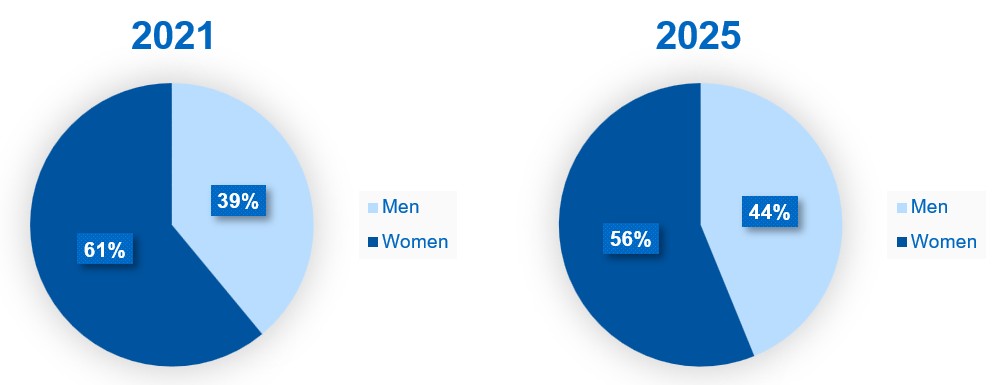
In 2025, uptake of formal flexible work arrangements, parental leave and carer’s leave by men and women is more closely aligned with their respective proportions of the workforce.
Gender composition of people who are on a formal flexible work arrangement, 2021 vs 2025
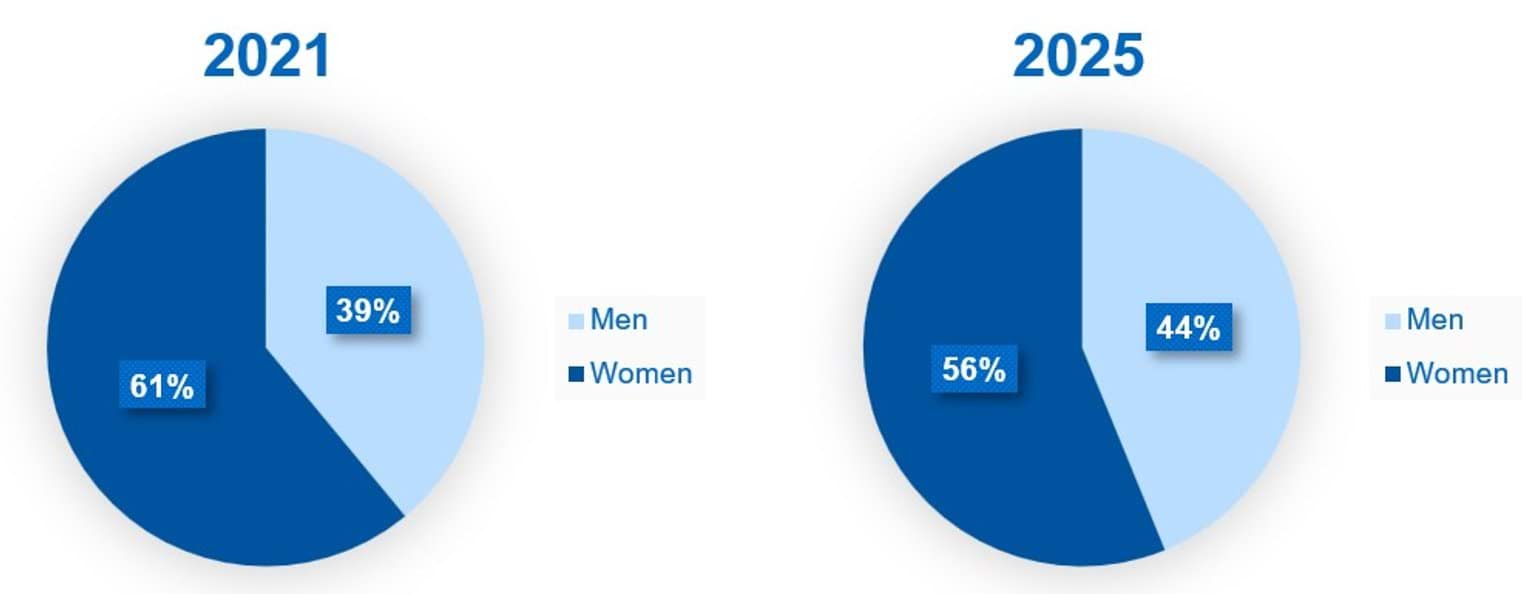
Gendered work segregation
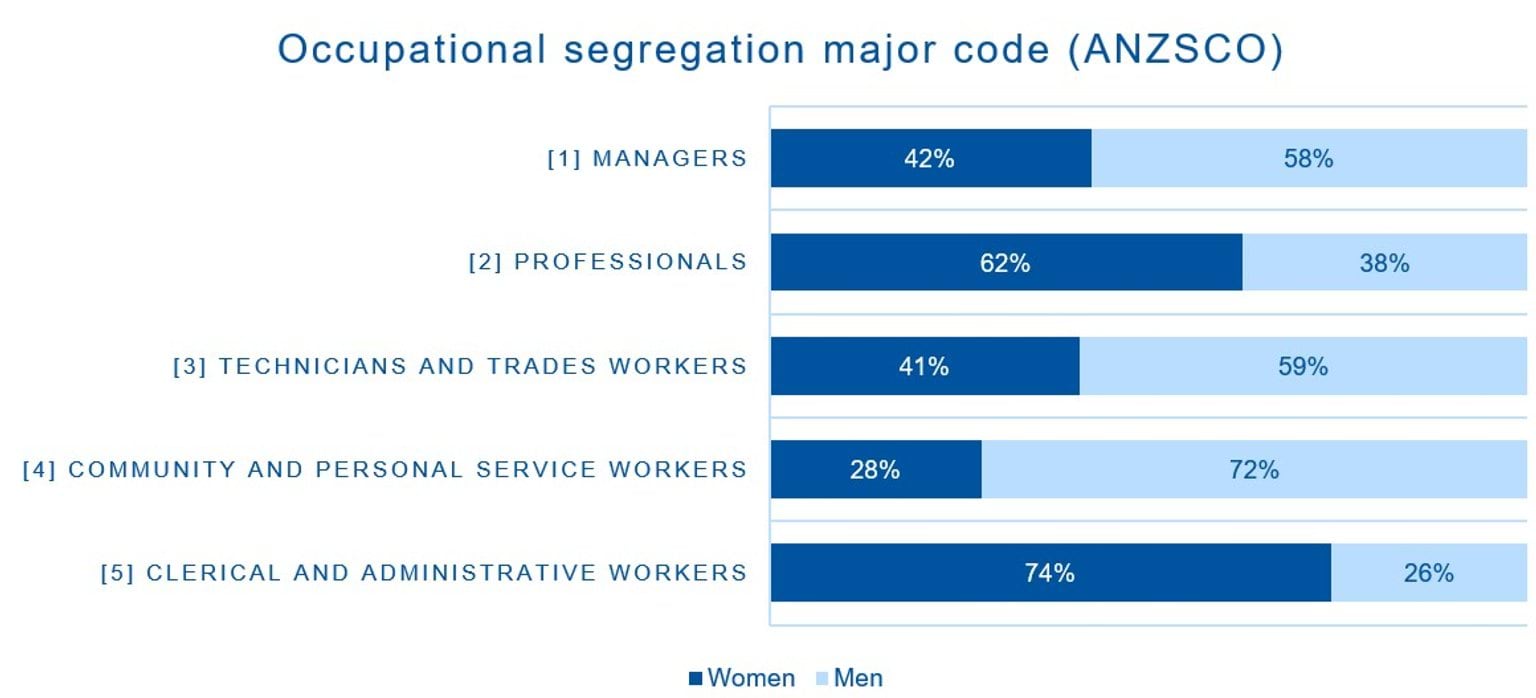
There have been progress gains in gender composition made across the organisation, although many occupations remain segregated.
Women have continued to increase their representation in manager roles, from 37% in 2021 to 42% in 2025.
The proportion of women in detective positions has also increased from 34% in 2023 to 39% in 2025.
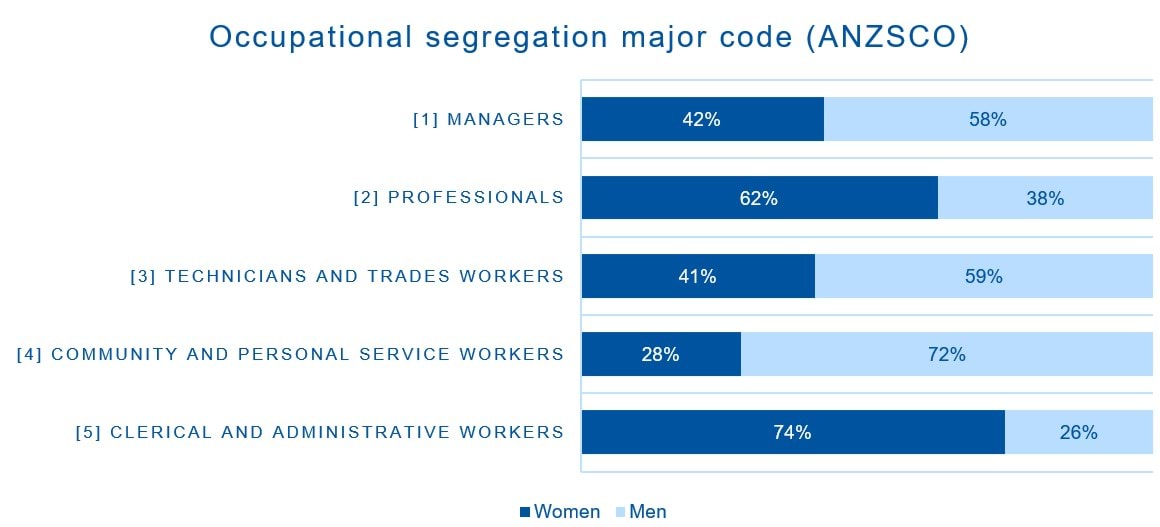
Occupational segregation major code (ANZSCO*), 2025
Download the report
Download the complete Gender Equality Progress Report 2026.
Further information
Consistent with the Gender Equality Act, relevant information included in this Gender Equality Progress Report will be available at The Commission for Gender Equality in the Public Sector.
Updated